Solving IPTV Applications Caching Problems with Main and Subheadings
Introduction
iptv Applications Caching Problems IPTV users often encounter problems with these apps, such as buffering, loss of all international, sports, and children’s channels, and sometimes outdated playlists, inaccurate program guides, or simply malfunctioning. When this happens, most users assume the problem lies with their IPTV service provider, but this isn’t always the case. In reality, IPTV apps store some data in a cache, and over time, this data can become outdated, corrupted, or even completely full. This leads to performance issues with the IPTV apps, negatively impacting viewing quality. As a result of these problems, the live streaming performance of IPTV apps is also negatively affected.
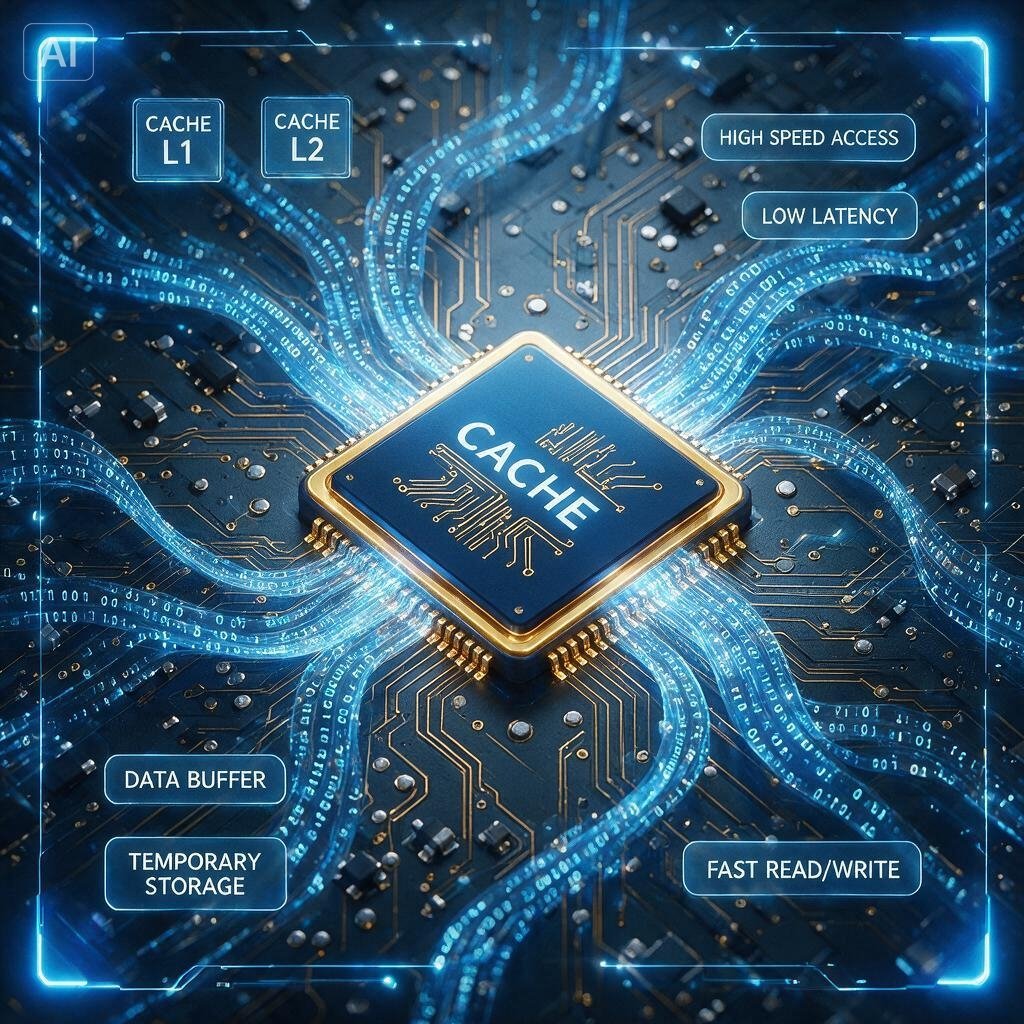
Caching is made to make your application go faster by keeping files and things like logos and playlists, on your device. This way the application does not have to download the things over and over. It just gets them from the cache on your device. This makes it faster to move around the application. It uses less bandwidth.. Sometimes the cached information gets old or messed up. When this happens the IPTV application might keep showing information. It might not be able to load playlists. It might even freeze when you start it up.. It might have trouble connecting to the streaming servers. The IPTV application can have a lot of problems when the cached data is not good.
Caching is supposed to make your application run faster. It does this by keeping files and things like logos and playlists on your device. This way the application does not have to download the things over and over. It just gets them from the cache on your device. This makes it faster to move around the application. It uses less bandwidth Sometimes the cached information gets old or gets messed up. When this happens the IPTV application might still show you information. It might not be able to load the playlists. The application might even freeze when you start it up.. It might have a hard time connecting to the streaming servers. The IPTV application has trouble, with old or messed up data.
Understanding how caching works and learning effective methods for solving IPTV applications caching problems with main and subheadings allows users to restore optimal performance without complicated technical procedures Whether you use IPTV on Android devices, Android TV, Fire TV Stick, Smart TVs, Windows PCs, macOS, or mobile phones, proper cache management plays a significant role in maintaining stable streaming performance.
Understanding IPTV Application Cache
Before solving cache-related issues, it is important to understand what application cache actually does.
Every IPTV application stores temporary data to reduce loading times and improve responsiveness. This temporary information may include:
- Channel logos
- Playlist files (M3U)
- EPG information
- Recently watched channels
- User preferences
- Authentication tokens
- Images and thumbnails
- Temporary streaming data
The purpose of caching is to avoid downloading the information every time the application starts. This helps reduce server requests and makes the user experience better overall.. Sometimes over time these cached files build up. They can become old. They can cause problems, with new data that comes from IPTV providers.
Common Symptoms of IPTV Cache Problems
Many IPTV users mistakenly believe that buffering always indicates poor internet quality. In reality, cache-related issues often produce similar symptoms.
Common indicators include:
- Channels refuse to open.
- Black screen despite an active subscription.
- Playlist updates fail.
- Old channels remain visible after updates.
- Missing newly added channels.
- Incorrect program guide information.
- Slow application startup.
- Freezing during navigation.
- Continuous loading icons.
- Random crashes.
When several of these symptoms appear together, clearing the application’s cache is frequently one of the fastest and safest troubleshooting methods.
Why IPTV Cache Becomes Corrupted
Cache corruption happens for several reasons.
One common cause is interrupted updates. If an IPTV application closes unexpectedly while downloading playlists m3u or EPG data, incomplete cache files may remain stored on the device.
Software updates can also introduce compatibility issues between old cache files and the application’s newer version. Similarly, changing IPTV server without clearing previous cached information may cause conflicts that prevent new playlists from loading correctly.
Storage limitations also contribute to caching problems. Devices with limited internal memory often struggle to manage large amounts of temporary data, causing performance degradation over time.
Unexpected power outages, forced application closures, operating system bugs, and unstable internet connections can further damage cached information.
Solving IPTV Applications Caching Problems with Main and Subheadings
Successfully solving IPTV applications caching problems with main and subheadings requires a structured troubleshooting process rather than randomly changing settings.
The first step is clearing only the application’s cache without deleting user settings whenever possible. Most IPTV applications include this option within the device’s application management section.
After clearing the cache, restart the application and allow it to rebuild fresh temporary files from the IPTV server. During this process, playlists, logos, and EPG data will be downloaded again.
If problems continue, refresh the playlist manually inside the IPTV application. Many apps provide an option to reload or synchronize playlists without reinstalling the software.
Restarting the device after clearing cached files is another effective practice because it releases occupied memory and terminates background processes that may interfere with IPTV performance.
Clearing Cache on Android Devices
Android smartphones and Android TV devices provide simple cache management.
Users can typically access:
Settings → Apps → IPTV Application → Storage → Clear Cache
This removes temporary files while preserving login credentials and application settings.
Avoid selecting Clear Data unless necessary, since this option removes playlists, settings, and account information.
After clearing the cache, reopen the IPTV application and wait for fresh data to synchronize completely before testing channels.
Clearing Cache on Fire TV Stick
Amazon Fire TV devices frequently experience cache accumulation due to limited internal storage.
Navigate to:
Settings → Applications → Manage Installed Applications → IPTV App → Clear Cache
Restart the Fire TV Stick afterward.
Regular cache maintenance helps improve menu responsiveness, channel loading speed, and application stability.
Managing Cache on Smart TVs
Many Smart TV operating systems manage cache automatically, but IPTV applications may still retain temporary data.
Depending on the television manufacturer, users may need to:
- Restart the television.
- Force close the IPTV application.
- Reinstall the application if cache cannot be cleared manually.
- Refresh playlists after reinstallation.
Keeping the Smart TV firmware updated also improves cache handling and application compatibility.
The Difference Between Clearing Cache and Clearing Data
Many users confuse these two maintenance options.
Clearing cache removes temporary files created by the application. Personal settings and login information generally remain intact.
Clearing data completely resets the application to its original state. All playlists, account details, favorites, settings, and locally stored information are erased.
Whenever possible, clearing cache should be attempted first because it solves most temporary performance issues without requiring reconfiguration.
Preventing Future IPTV Cache Problems
1/-Preventive maintenance significantly reduces the likelihood of recurring cache issues.
2/-Users should periodically restart their devices, especially streaming boxes that remain powered on continuously.
3/-Keeping IPTV applications updated ensures compatibility with newer operating systems and server improvements.
4/-Maintaining sufficient free storage space allows applications to create healthy temporary files without performance degradation.
5/-Users should also avoid installing unnecessary background applications that consume memory and storage resources.
6/-Refreshing playlists only when needed instead of repeatedly forcing updates also helps maintain cache integrity.
Additional Tips for Better IPTV Performance
Cache management is only one part of overall IPTV optimization.
For the best streaming experience:
- Use a stable high-speed internet connection.
- Prefer Ethernet over Wi-Fi whenever possible.
- Keep the device firmware updated.
- Update IPTV applications regularly.
- Close unnecessary background apps.
- Reboot streaming devices weekly.
- Use quality streaming hardware with sufficient RAM.
- Ensure playlists and EPG sources are valid and current.
Combining these practices with routine cache maintenance provides smoother playback and reduces interruptions.
Frequently Asked Questions
Does clearing the IPTV cache delete my subscription?
No. Clearing the cache only removes temporary files. Your IPTV subscription remains active because subscription information is managed by your provider or your login credentials.
How often should I clear the cache?
For most users, clearing the cache every few weeks or whenever performance issues appear is sufficient. Frequent clearing is generally unnecessary unless you experience repeated problems.
Can cache cause buffering?
Yes. Corrupted or outdated cached data can contribute to buffering, delayed loading, and playback instability. However, internet quality, server load, and device performance should also be considered.
Should I reinstall the IPTV application?
Reinstallation should be considered only after clearing the cache, refreshing playlists, restarting the device, and updating the application fail to resolve the issue.
Is clearing cache safe?
Yes. Clearing cache is a routine maintenance procedure recommended for improving application performance and resolving temporary issues.
Conclusion
Solving problems with caching in IPTV applications is a task for anyone who wants a reliable and smooth IPTV experience The cache helps the application work when everything is working normally When the cached data is old or damaged it can cause problems like buffering, slow responses from the app issues with playlists not syncing and wrong information about shows By learning what the cache does knowing the signs that there is a cache problem and using a plan to fix the issue including removing the cache updating the playlist making sure the app is up, to date and keeping enough space on the device users can get the app working smoothly again Regular care not makes streaming better but also stops future problems from happening This makes sure that IPTV applications keep working well on different devices.
